
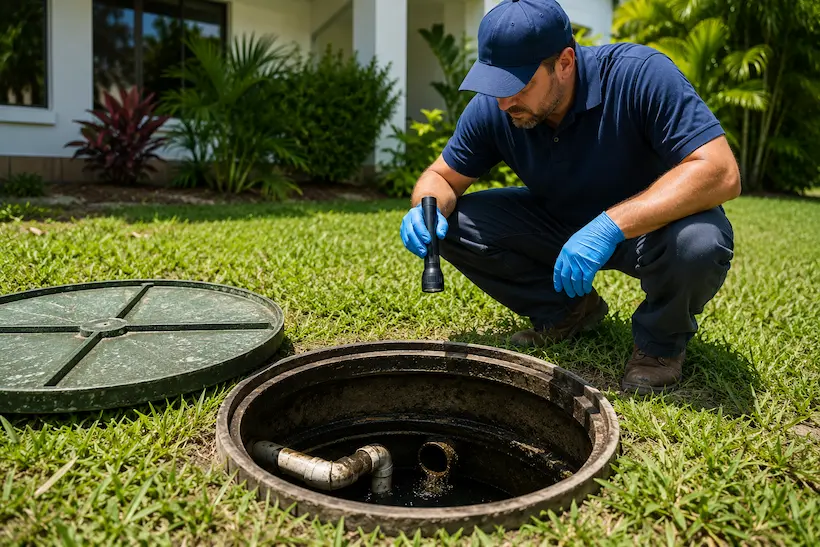
A septic tank inspection in Florida can help identify problems before they turn into expensive repairs, backups, drainage issues, or unexpected complications during a home purchase.
Because septic systems are mostly underground, many problems develop without being obvious from inside the house. A system may appear to be working normally while the tank, drain field, piping, or other components are beginning to fail.
For Florida homeowners, the best time to inspect a septic system depends on its age, condition, usage, maintenance history, and whether the property is being bought or sold.
What Is a Septic System Inspection?
A septic system inspection is an evaluation of the condition and operation of the septic system serving the property.
The exact scope can vary depending on the property and the type of inspection being performed, but a professional septic system inspection may include evaluation of components such as:
- The septic tank
- Inlet and outlet connections
- Accessible lids and risers
- Liquid levels
- Signs of leaks or structural damage
- Drain field conditions
- Visible drainage problems
- Signs of sewage surfacing
- General system operation
The goal is to determine whether the system appears to be functioning properly and whether there are warning signs that need further attention.
An inspection is different from septic tank pumping. Pumping removes accumulated solids from the tank, while an inspection focuses on the condition and performance of the system.
How Often Should You Inspect a Septic Tank?
There is no single inspection schedule that applies perfectly to every property.
How often you should inspect a septic tank depends on several factors, including household size, system age, tank capacity, maintenance history, and how heavily the system is used.
A newer system with a documented maintenance history may not raise the same concerns as an older property where nobody knows when the septic system was last inspected or pumped.
Rather than waiting for a backup, homeowners should consider periodic evaluation as part of routine septic system maintenance.
An inspection can be especially useful when:
- The maintenance history is unknown.
- The system is older.
- Household occupancy has increased.
- You notice changes in drainage.
- The property has experienced unusually wet conditions.
- You are preparing to buy or sell the home.
Before Buying a House With a Septic System
One of the most important times to schedule an inspection is before purchasing a property that uses septic.
A general home inspection may identify obvious plumbing concerns, but that does not necessarily provide a detailed evaluation of the septic system.
A dedicated septic inspection before buying a house can provide additional information about the system before the transaction is completed.
This is especially important because septic repairs can involve underground components that are not visible during a normal walkthrough.
What Buyers Should Try to Learn
Before purchasing the property, ask whether there are records showing:
- The approximate age of the septic system
- Previous pumping dates
- Past inspections
- Repairs or replacements
- Drain field work
- Known recurring problems
Incomplete records do not automatically mean the system is in poor condition, but they make a professional evaluation more valuable.
When You Do Not Know the Maintenance History
If you recently moved into a home with septic and do not know when the system was last serviced, scheduling an inspection can establish a useful baseline.
Without maintenance records, it can be difficult to know:
- How long the tank has gone without pumping
- Whether the drain field has experienced previous problems
- Whether components have been repaired
- Whether the system has been regularly inspected
A professional can evaluate the current condition and help identify issues that may need attention.
This is often more useful than waiting until the first obvious symptom appears.
If Drains Are Becoming Slow Throughout the House
One slow sink is often a localized plumbing problem.
Several slow drains throughout the home can indicate something more significant.
If toilets, sinks, tubs, and showers begin draining more slowly around the same time, the septic system may be one possible cause.
Slow drainage does not automatically mean the septic tank or drain field is failing. Plumbing blockages and other issues can create similar symptoms.
However, widespread drainage changes are one of the signs of septic problems that should not be ignored.
A professional inspection can help determine whether the issue is within the home’s plumbing or farther downstream in the septic system.
If You Notice Sewage Odors
Persistent sewage or wastewater odors around the septic tank, drain field, or inside the home can indicate a problem.
Possible causes may include:
- Plumbing vent issues
- Drain problems
- Septic tank issues
- Improper wastewater movement
- Problems around the drain field
Occasional outdoor odors do not always indicate a major system failure, but strong or recurring smells deserve attention.
An inspection can help determine where the odor is coming from rather than relying on guesswork.
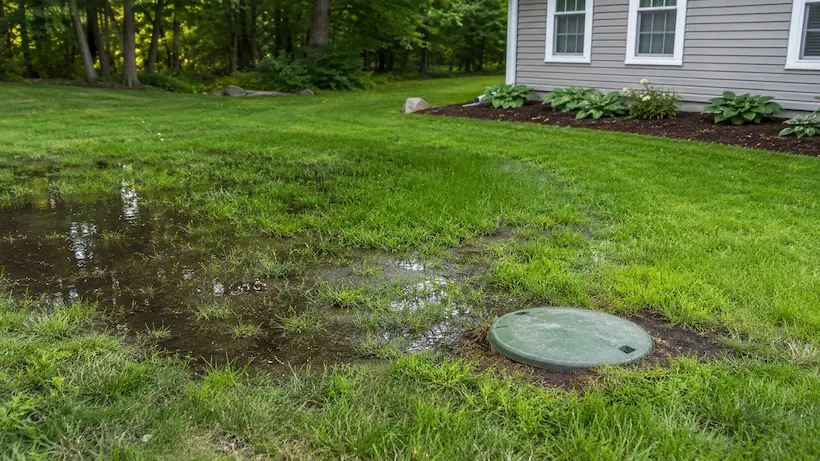
If Water or Sewage Appears Near the Drain Field
Standing water, unusually wet soil, or wastewater appearing around the septic system should be taken seriously.
The drain field is responsible for receiving and treating wastewater after it leaves the tank. If water begins surfacing in this area, the system may not be dispersing wastewater properly.
Watch for areas that are:
- Constantly wet
- Soft or muddy
- Producing sewage odors
- Growing unusually lush grass compared with the surrounding yard
- Collecting wastewater without recent rainfall
Florida weather can make diagnosis more complicated because heavy rain can temporarily saturate soil.
That is why professional evaluation matters. Wet ground alone does not prove the septic system has failed, but persistent wetness around the drain field can be a warning sign.
After Repeated Septic Backups
A single plumbing backup can sometimes be caused by a localized clog.
Repeated backups are different.
If toilets, showers, or drains repeatedly back up despite previous cleaning or pumping, the underlying septic system should be evaluated.
Repeated problems may involve more than the tank itself.
Potential issues can include:
- Drainage restrictions
- Damaged piping
- Excess solids
- Tank problems
- Drain field performance
- Improper system use
Simply pumping the tank every time a backup occurs may not correct the actual cause.
A septic inspection in Tampa, FL can help determine why the problem keeps returning.
Before Major Home Remodeling
Homeowners often think about septic capacity only after a renovation is underway.
Certain remodeling projects can change how a property uses water and wastewater.
Examples include:
- Adding bedrooms
- Adding bathrooms
- Creating an accessory living area
- Expanding occupancy
- Major plumbing renovations
If a project is likely to increase wastewater usage, understanding the existing septic system beforehand can help with planning.
The system should not automatically be assumed to support substantially different household use just because it has worked under previous conditions.
How Florida Weather Can Affect Septic Systems
Florida’s climate can create conditions that make septic performance especially important to monitor.
Heavy rainfall can saturate the soil around a drain field. When the surrounding ground is already holding significant water, wastewater may have more difficulty dispersing efficiently.
Homeowners may notice problems such as:
- Slower drains
- Gurgling plumbing
- Wet areas in the yard
- Temporary changes in septic performance
These symptoms should be monitored carefully.
Avoid assuming that every post-rain drainage issue means the septic system has permanently failed. Soil conditions, drainage, system condition, and recent water use can all contribute.
However, if problems continue after the ground has had time to recover, a professional inspection can help identify whether there is an underlying septic issue.
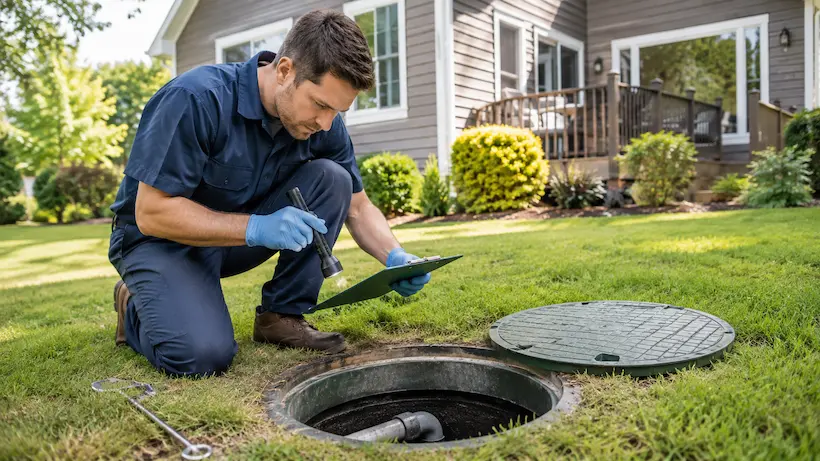
What Happens During a Septic Inspection?
The inspection process depends on the specific property and system.
The technician will typically begin by gathering information about the home and any symptoms the homeowner has noticed.
This may include questions about:
- Recent backups
- Slow drains
- Odors
- Previous pumping
- Known repairs
- Wet areas in the yard
The system and accessible components can then be evaluated for signs of improper operation or damage.
The Septic Tank
The tank may be checked for its general condition, liquid levels, visible damage, and accessible components.
If the tank needs to be opened or pumped as part of a more detailed evaluation, the technician can explain what is appropriate for the situation.
Inlet and Outlet Areas
Wastewater needs to enter and leave the tank correctly.
Problems in these areas can affect the operation of the entire system, so accessible connections may be evaluated for signs of damage or blockage.
The Drain Field
The drain field is one of the most important parts of a septic system.
A technician may look for visible evidence of drainage problems, including standing water, sewage odors, or unusually saturated soil.
The evaluation helps determine whether wastewater appears to be dispersing normally.
What Can Homeowners Check Themselves?
You do not need to uncover the tank or inspect underground components yourself.
Homeowners can safely watch for changes around the property.
Pay attention to:
- Slow drains throughout the house
- Toilets that flush differently than usual
- Gurgling plumbing
- Persistent sewage odors
- Wet areas near the septic system
- Sewage surfacing outdoors
- Frequent backups
- Unusually green vegetation around the drain field
Keeping records of previous pumping, inspections, and repairs can also make future maintenance easier.
Avoid driving heavy vehicles over the septic tank or drain field, and do not attempt to open or enter a septic tank yourself.
Septic tanks can contain dangerous gases and should be handled by professionals.
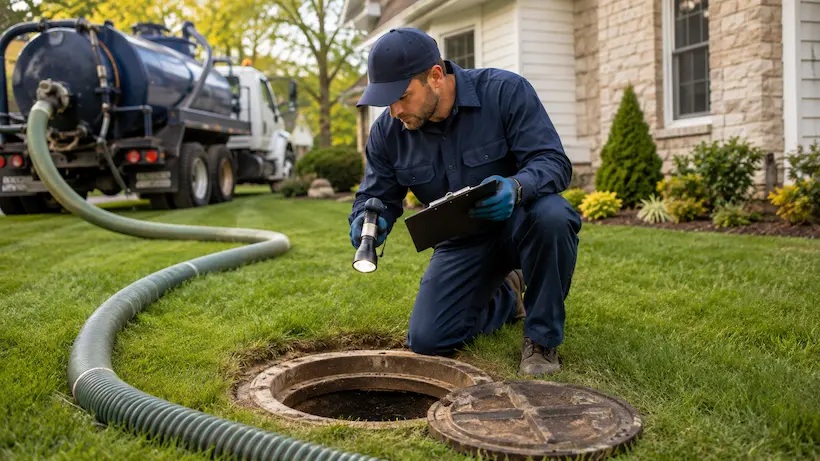
Inspection vs. Pumping: Are They the Same?
No.
Homeowners sometimes use the terms interchangeably, but septic pumping and septic inspections serve different purposes.
Septic pumping removes accumulated solids and wastewater from the tank.
Septic inspection evaluates the condition and performance of the system.
In some situations, both may be appropriate.
For example, pumping may provide better access to inspect certain tank components, while an inspection may reveal that routine pumping or additional service is needed.
The right approach depends on the condition and history of the system.
When Should You Call a Septic Professional?
Schedule an inspection if you notice ongoing signs that the system may not be functioning normally.
Professional evaluation is especially appropriate when:
- Multiple drains are slow.
- Sewage odors continue.
- Wastewater is surfacing outdoors.
- The system repeatedly backs up.
- The drain field remains unusually wet.
- You are purchasing a home with septic.
- Maintenance records are unavailable.
- You suspect damage to underground components.
Addressing warning signs early can make it easier to identify the cause before wastewater problems become more disruptive.
FAQs About Septic Tank Inspections in Florida
Should I get a septic inspection before buying a house in Florida?
If the property uses a septic system, having it evaluated before purchase can provide useful information about its condition and potential problems. This is especially important when maintenance records are incomplete or unavailable.
Does a septic inspection include pumping?
Not necessarily. Inspection and pumping are separate services, although pumping may sometimes be recommended or performed as part of a more detailed evaluation.
Can heavy rain cause septic problems in Florida?
Heavy rainfall can saturate soil around the drain field and temporarily reduce how effectively wastewater disperses. Persistent problems after wet weather may indicate an underlying issue that should be inspected.
How do I know if my septic tank is failing?
Possible warning signs include slow drains throughout the house, repeated backups, sewage odors, standing water around the drain field, or wastewater surfacing in the yard. These symptoms can have multiple causes, so professional diagnosis is important.
Septic System Inspection in Tampa, FL
A septic system should not have to fail completely before someone looks at it.
If your system has an unknown maintenance history, you are buying a home with septic, or you have noticed recurring drainage problems, a professional inspection can help determine what is happening below the surface.
Xpress Quality Services provides septic system inspection and septic services for homeowners in Tampa and surrounding areas.
If you are concerned about your septic system or want it evaluated before a home purchase, schedule a professional septic inspection with Xpress Quality Services.